LET’S GET EXCITED ABOUT THIS BOOK!
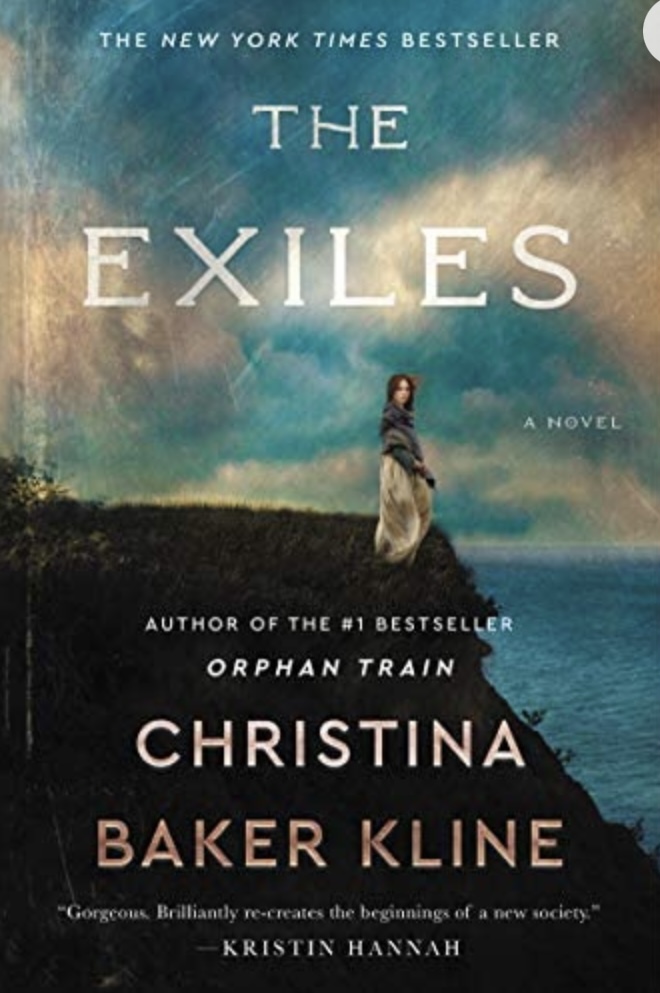
“The Exiles,” is a powerfully moving historical fiction novel about women who have unfairly lost their homes and must find a way to survive, forgive and carve out new lives for themselves. The book alternates stories between a young aboriginal girl in Tasmania and convict women from England who were shipped to the Australian colonies. While the subject matter of the novel was heavy and a bit overwhelming at times, the ultimate message of determination and forgiveness was inspiring. Continue reading below for my full review! Also, I’d love for you to leave a comment!
Shannon’s Rating — PG-13
LET’S TALK ABOUT THIS BOOK!
I toil each day in grief and pain
And sleepless through the night remain
My constant toils are unrepaid
And wretched is the Convict Maid.
Oh could I but once more be free
I’d ne’er again a captive be
But I would seek some honest trade
And ne’er become a Convict Maid.
1840’s England was a precarious time to live if you were a poor young woman. The social status at the time prevented many young women opportunities to improve their lives or the lives of their children. I’m certain they often felt like they were walking a thin line between survival or death. And never more so than the young women who were accused of a crime, no matter how trivial.
In her novel, “The Exiles,” Christina Baker Kline examines the lives of a few of these “convict maids.”
Evangaline is the educated daughter of a clergyman. While working as a governess, she is seduced by the young man of the home and wronging accused of theft and attempted murder. Olive is a hardened woman, used to life’s challenges. While pregnant, she is arrested for prostitution. Hazel is a young teenager with a drug-addicted mother. Forced into thieving to survive, she is caught and charged for stealing a single, silver spoon. All three of these women were convicted as criminals and sentenced to decades of detention and labor in the Australian colonies. The lives of these three women intertwine at sea. Formerly a slave ship, the Medea now transports convicts, both male and female, to the Australian settlements. Once there, the convicts will be expected to live out their sentences either in the walled prison of Cascades or working as domestic laborers in wealthy households.


While aboard the convict ship, Evangaline bears her trials with grace. She teaches her new friends, Olive and Hazel something that her father told her years ago. After cutting a log for their fire, he showed young Evangaline the rings inside and told her that each ring represented a year in the life of the log. All of the rings “fused together to give the tree it’s solid core.” Evangaline later reflected that…
Maybe humans are like that. Maybe the moments that meant something to you and the people you’ve loved over the years are the rings. Maybe what you thought you’d lost is still there, inside of you, giving you strength.”
Mahinna is a 7-year-old aboriginal girl. Years earlier, her tribesmen had been virtually eliminated by the Englishmen arriving to the island of Tasmania. When the new governor’s wife takes an interest Mahinna, she is forced to leave her home and her family to live in the governor’s home. While there, Mahinna is educated but never truly loved, either by the family or the servants. To help her through her times of loneliness and despair, Mahinna often runs her fingers through the shelled necklace her mother gave her before she died and remembers the words she spoke to her…
“Every person you’ve ever cared about, and every place you’ve ever loved, is one of these shells. You’re the thread that ties them together. You carry the people and places you cherish with you. Remember that and you will never be lonely, child.”

I thought it was so sweet how a father and a mother used images such as rings on a log or shells on a necklace to teach their children that they are loved, even when far apart from their loved ones.
“The Exiles” is a great example of why I love historical fiction. Don’t get me wrong, this book was heartbreaking and hard to read at times. But within all the sadness were glimpses of hope, love, courage, sacrifice and forgiveness. At one point in the story, Hazel makes the conscious decision to let all of her hate and bitterness go. As she looks around at the convict women surrounding her in prison, she sees their anger and how it was making them miserable.
This place was filled with women who’d had wretched childhoods, who’d been used and deceived, who felt unloved. Who couldn’t forgive. The truth was, Hazel could stroke her own coal until the day she died, but what good would it do? Its warmth was scant. It was time to let go. She didn’t want to carry that burning coal around anymore; she was ready to be rid of it.
If a young woman who was shipped away to another continent and sentenced to fourteen years for stealing a silver spoon can learn to forgive, then I can certainly do better at forgiving the minor offenses that occur in my life!

P.S. There was one completely unexpected, gasp-out-loud moment that occurred right in the middle of the book. I literally put the book down and yelled, “Did that seriously just happen!?!” So, when you get to that part (and you’ll know when you do) if you need to talk to someone about it…feel free to message me!!


Leave a comment